How This All Started: The Story of the Glattfelder Family
Some of these stories go back nearly three centuries. Some happened in living memory. All of them are part of the same sprawling, surprising chain of events that connects a Swiss farmer in the 1700s to the thousands of his descendants alive today.
But before we get into any of that, there’s a story you need to hear first. It’s the story of how anyone even knows this family’s history at all — and it starts with a man who decided, in the final years of the nineteenth century, that somebody had to write it down before it was too late.
A Doctor With a Side Project
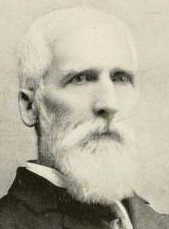
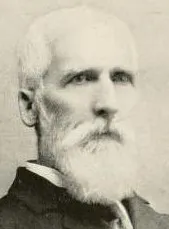
In 1837, a boy named Dr. Noah Miller Glatfelter, M.D. (1837–1911 and 5th generation direct descendant through Casper’s son John) was born on a farm in York County, Pennsylvania. He was the great-great-grandson of Casper Glattfelder (1709–1775), the man who had brought his family across the Atlantic from Switzerland in 1743. But Noah didn’t grow up thinking about any of that. He had other things to do.
By seventeen, he was teaching school while still a student himself. By twenty-five, he was in medical school at the University of Pennsylvania — and the country was in the middle of a Civil War. Before he enrolled, the Confederate invasion of Pennsylvania had already touched his life directly. He joined a local volunteer unit and saw action in several skirmishes. After graduating in 1864, he was commissioned as a major and assistant surgeon in the U.S. Army. He served in Washington, then with Grant’s Army of the Potomac. At one point, he commanded a hospital ship handling roughly ten thousand casualties. He was twenty-seven years old.
After the war, Noah resigned his commission, moved through the Dakota Territory, and eventually landed in St. Louis, where he opened a medical practice he’d run for the next four decades. A busy life. A full career. And yet, somewhere in those years, something kept pulling at him — a question he couldn’t shake. Where exactly had his family come from? How many descendants were there? Where had they all scattered to?
What started as curiosity turned into a years-long obsession. He wrote hundreds of letters to relatives he’d never met. He dug through church records, land deeds, wills, and military rolls. His starting point was solid — back in 1859, his father Jonathan had dictated a family tree to him, laying out the first four generations and how everyone connected. Noah spent decades expanding that foundation with corrections and details sent in by other descendants scattered across the country.
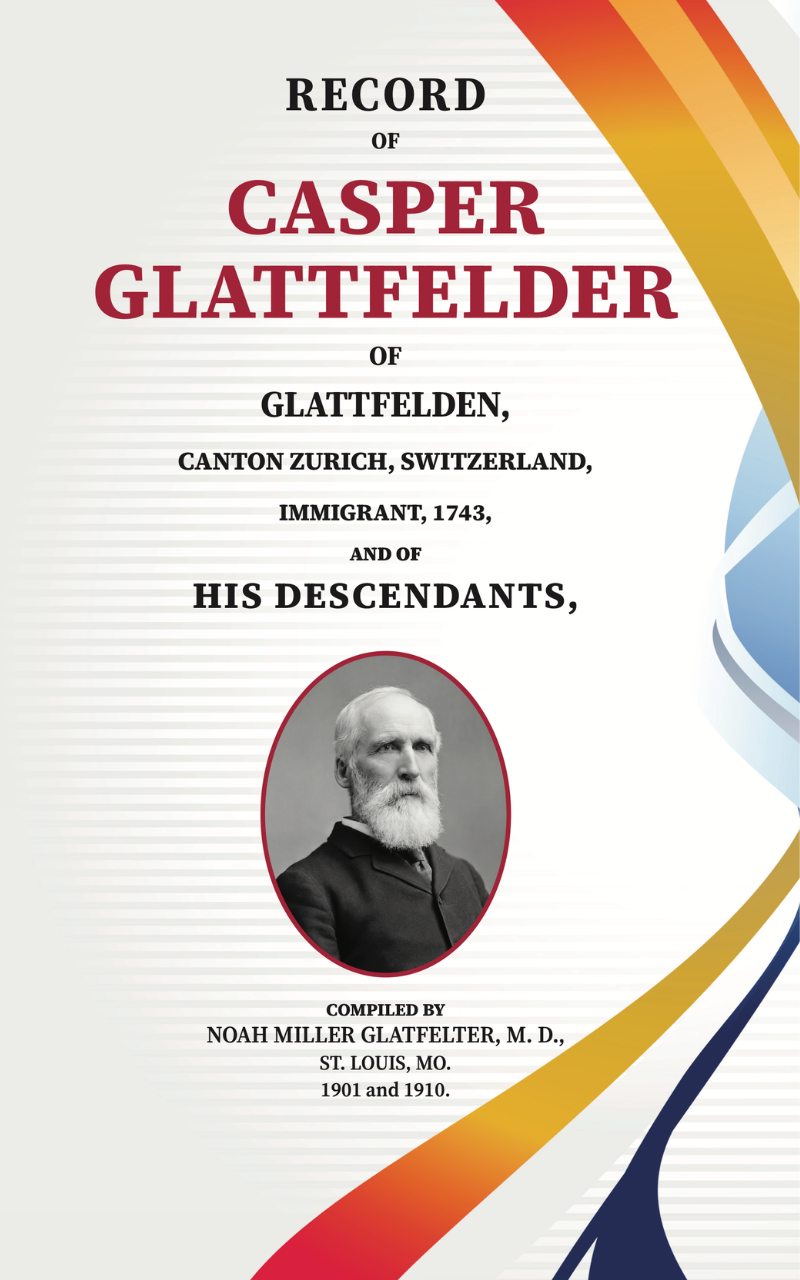
In 1901, he published the result: The Record of Casper Glattfelder… and His Descendants — a book documenting 861 families, tracing the line all the way from Casper’s arrival in Philadelphia to the living descendants of his day. Nine years later, in 1910, he published a supplement adding another 545 families.
Nobody had asked him to do this. Nobody was paying him. He was a practicing physician with a demanding career, and he spent years of his spare time piecing together the story of a family that had never been written down in one place — because he understood that if he didn’t, the thread would break. The people who still remembered the old details were dying. The connections between branches were going dark. Another generation of waiting and the story would be gone for good.
Noah died in 1911. But the book he left behind changed everything.
A significant portion of the profit after printing and shipping costs goes to the Casper Glattfelder Association of America to support its efforts in connecting the family and all of our descendants. To buy a copy of Dr. Noah’s book, click the cover below.
What the Book Set in Motion
The response to Noah’s genealogy was immediate. Copies circulated among descendants in Pennsylvania, Maryland, and beyond. People who had never given much thought to their family history suddenly had it in their hands — names, dates, connections, stories going back to 1743. For the first time, they could see the full scope of what this family actually was.
And once they saw it, they wanted to be in the same room together.
On September 8, 1906 — while Noah was still alive and still working on his supplement — descendants of Casper Glattfelder gathered in a grove near Bupp’s Union Church in Springfield Township, York County. They were standing just a short walk from the land Casper himself had farmed more than 160 years earlier. That day, they officially organized the Casper Glattfelder Association of America.
The second reunion, in 1907, drew more than fifteen hundred people. A York County newspaper ran a headline declaring the county had never welcomed such a gathering of clans. They came from across the state and beyond — Glattfelders, Glatfelters, Gladfelters, Clodfelters, Glotfeltys — names that had branched and shifted and been misspelled on courthouse documents for generations. All of them showed up in a field in south-central Pennsylvania because a doctor in St. Louis had shown them they were connected.
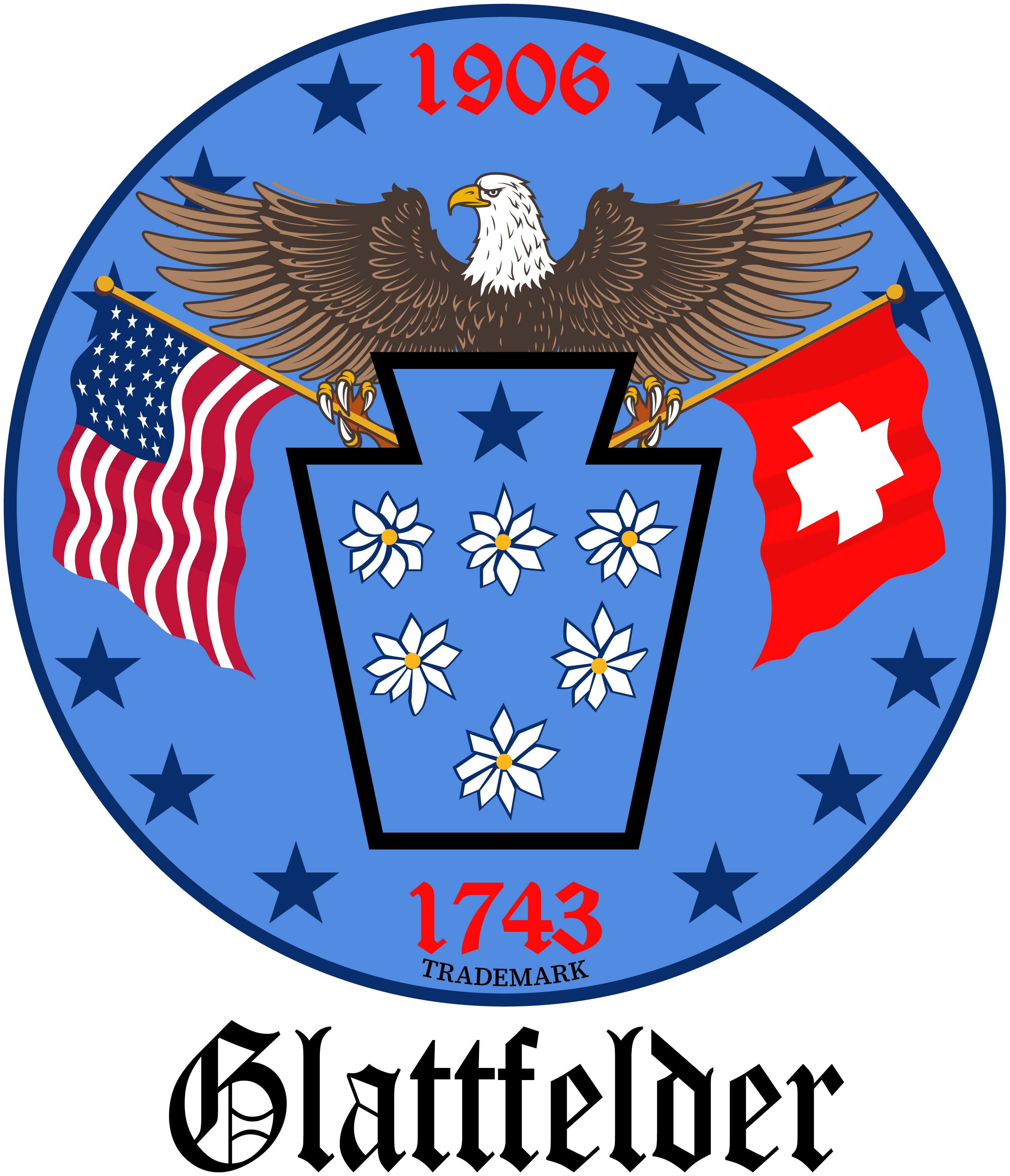
Among the driving forces in those early years was Samuel F. Glatfelter (1858–1927 and 5th generation direct descendant through Casper’s son Casper). Samuel threw himself into building the Association. In 1911, he designed the family emblem that the CGAA still uses today — the one with the American and Swiss flags, the Pennsylvania keystone, the bald eagle, and six edelweiss flowers representing the six original families that made the crossing. He understood something important: this wasn’t just a gathering. It was an institution that needed symbols, structure, and a permanent place to call home.
A Park on a Hill, Overlooking the Homestead
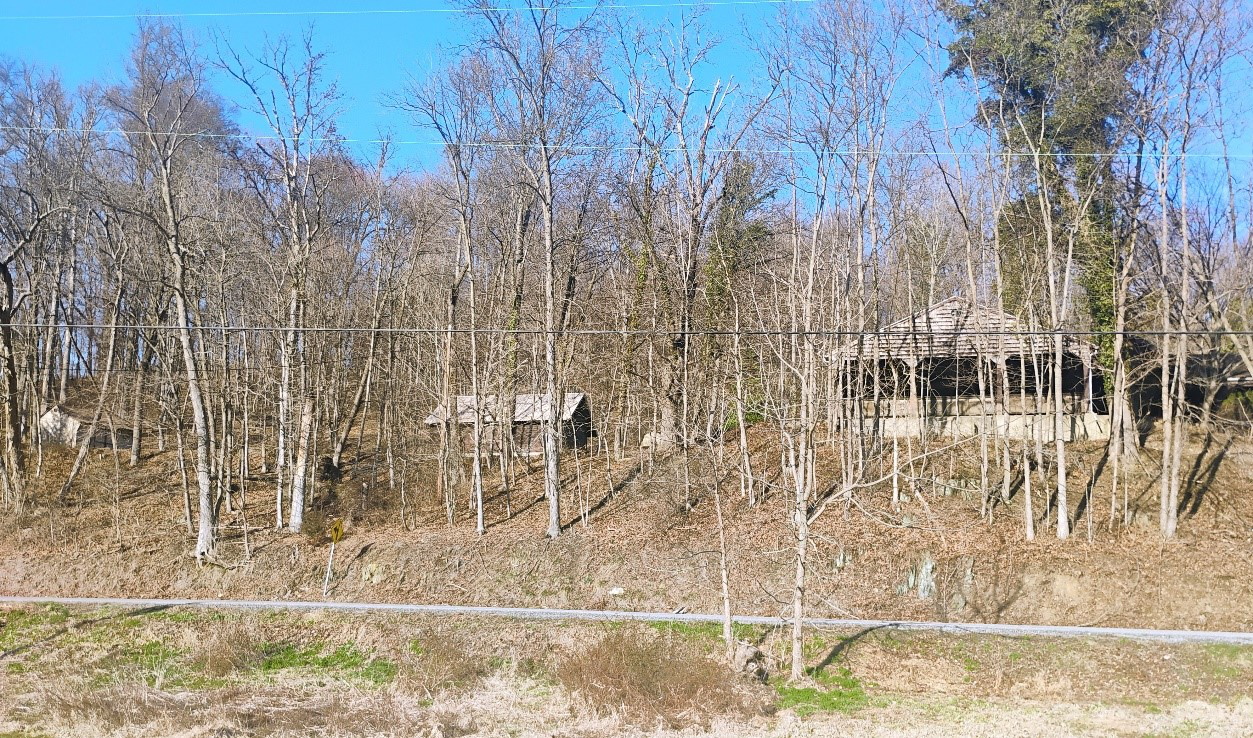
In 1910, the York County Court of Common Pleas granted a charter incorporating the Association as a nonprofit — reportedly one of the first family associations in the country to be formally incorporated. The charter fixed the board of directors at seventeen members, a number that still holds today.
The charter spelled out one clear purpose: to provide a place where the family could gather. And in January 1913, they made good on it, purchasing just over two acres of land in Springfield Township. They named it Heimwald Park — roughly translated from German, “home woods.”
The site wasn’t chosen by accident. It sits on a hilltop overlooking the south branch of the Codorus Creek, with a clear view of the land Casper Glattfelder farmed until he died in 1775. If you walk the Heritage Rail Trail today through Glatfelter Station, you can still see the stone house that Casper’s son Felix built around 1800 — standing right there across the creek, more than two hundred years later. The family chose to build their reunion grounds within eyesight of it. They wanted to be able to look out from the pavilion and see where the whole story started.
For decades, family members rode the Northern Central Railroad to Glatfelter Station, stepped off the train, and walked up the hill to the park. Wooden steps — long since rotted away — once led from the road to the reunion grounds. There was a pavilion, there was food, there were speeches. And every year, more people came.
Tornadoes, Wars, and the People Who Kept Showing Up
Here’s the thing about this family. They kept coming back.
They met through the Spanish flu in 1918. They paused during parts of World War II, when gas rationing made the drive impractical, but they came back as soon as the war ended. In 1976, a tornado ripped through York County and lifted the Heimwald Park pavilion clean off its foundation — the structure hadn’t been anchored to the ground since 1934. It dropped the whole thing into rubble. The family rebuilt it.
They’ve met every year since 1946. Through recessions, through blizzards, through a pandemic that shut down most of the country. The reunion opens the same way it always has: all six verses of “O God, Our Help in Ages Past.” It closes with the Reunion Hymn — every chorus, every stanza. No shortcuts. The story goes that one year, somebody tried sitting during a verse that was meant to be sung standing, and they heard about it from an older family member. These are people who take their traditions personally.
And through all of those years, the family’s historian was doing the quiet, painstaking work of deepening everything Noah had started. Dr. Charles H. Glatfelter, Ph.D. (1924–2013 and 8th generation direct descendant through Casper’s son Felix) was a York County native, a longtime professor at Gettysburg College, and a man who gave decades of his life to this family’s story. If Noah built the foundation, Charles built the house on top of it. His writings — particularly The Early Glattfelder Family in America: An Overview — remain the most authoritative account of the family’s first generations in America. When it came time to print that booklet, he knew exactly where to get the paper: from the P.H. Glatfelter Company, founded by yet another branch of the family.
Charles served on the Association’s board for decades. He was its president. He was its historian. And when he talked about descendants who came to the reunion for the first time — some of them traveling from across the country, some of them having just discovered the connection — he always said the same thing: they’re not visiting. They’re coming home. Heimwald. Home woods.
The Bricks on the Patio
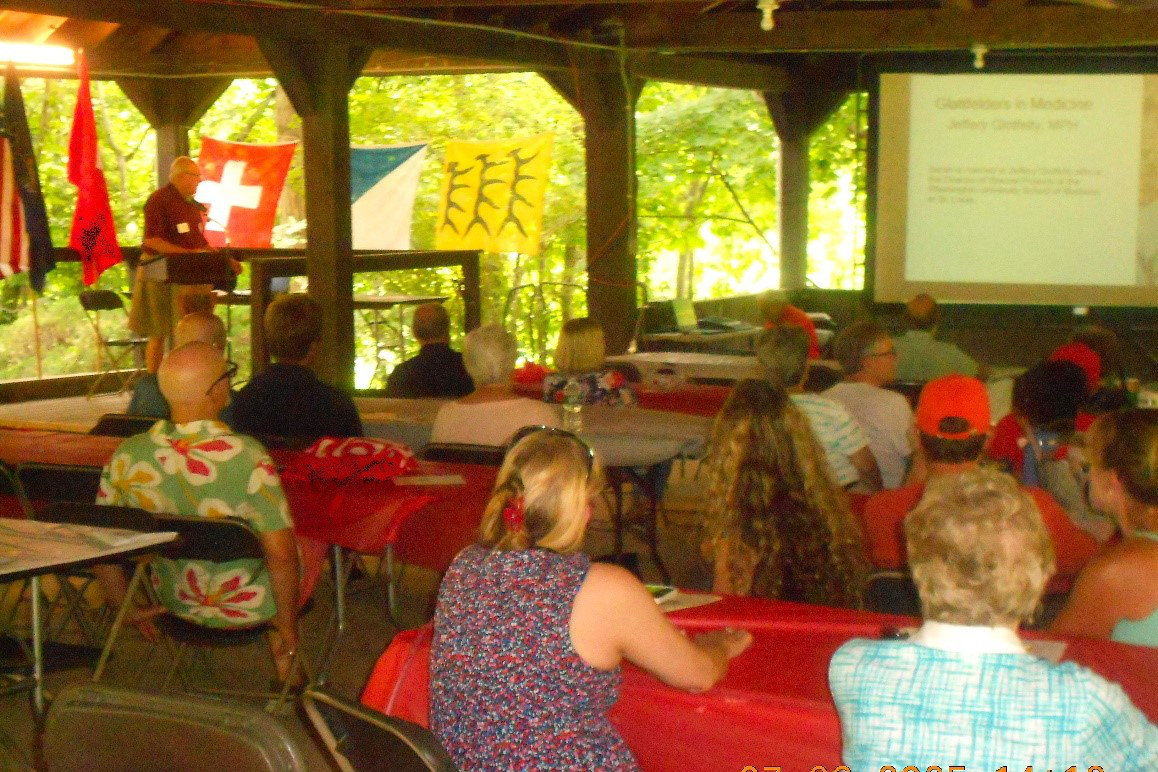
If you visit Heimwald Park today, the first thing you’ll notice is the pavilion. The second thing you’ll notice is what surrounds it.
Two sides of the pavilion are framed by more than five thousand bricks. Inscribed in those bricks are the names of roughly thirteen hundred family members, arranged under the names of Casper’s sons — the lines that branched out from one immigrant farmer and spread across an entire continent. The names span eleven generations.
Stand in that pavilion and you’re surrounded by your family. Most of them you’ve never met. Some of them lived two hundred years ago. But their names are right there in the ground beneath your feet, and yours could be too. That’s not a metaphor. That’s a real place, on a real hilltop in York County, and it’s been there for more than a hundred years.
Why Any of This Still Matters
For most of the Association’s history, staying connected meant one thing: showing up to the reunion. If you could make the drive to Springfield Township on a Saturday in late July, you were part of it. If you couldn’t, you were mostly on the outside looking in.
That started to change with technology — teleconferencing opened the board meetings to members along the East Coast, and a website put the family’s history online for the first time. As current Association President J. Thomas “Tom” Shelley (9th generation direct descendant through Casper’s son Felix) has said, the website is to the twenty-first century what Noah’s book was to the century before.
But here’s the honest truth: the biggest challenge this family faces now is the same one Noah faced in the 1890s. The stories are at risk of being lost — not because they don’t exist, but because the people who should hear them don’t know they’re there. There are tens of thousands of descendants alive today who have never been to a reunion, never seen the website, and some of whom don’t even know the name Glattfelder is part of their history.
That’s what the Glattfelder Gazette is for. It’s the next chapter of a project that started in 1901, when a Civil War surgeon in St. Louis decided somebody had to write the family story down before it disappeared. Noah documented 861 families. Dr. Charles spent decades going deeper. Generations of board members kept the reunions going, maintained the park, awarded scholarships, and held the Association together through everything the twentieth century could throw at it.
What they built is extraordinary. What’s been missing — until now — is a way to bring it to you. Wherever you are, whatever your last name is today, however far removed you feel from a pavilion in York County.
One story a week. Five minutes to read. Yours to keep. Subscribe to the Glattfelder Gazette and we’ll see you there.
